
Home / Finasteride & Dutasteride / Understanding Minoxidil vs Finasteride: A Clinical Comparison

Understanding Minoxidil vs Finasteride: A Clinical Comparison

Explore the biological mechanics, timeline expectations, and key clinical differences between the two primary FDA-approved therapies for androgenetic alopecia.
Hair Thinning

Explore the biological mechanics, timeline expectations, and key clinical differences between the two primary FDA-approved therapies for androgenetic alopecia.

Introduction to Male Pattern Hair Loss

Androgenetic alopecia is a progressive condition driven by genetic sensitivity to dihydrotestosterone (DHT). Over time, hair follicles undergo a process called miniaturization, resulting in shorter, thinner strands until growth ceases completely.

Modern hair restoration relies heavily on early intervention through clinically validated therapies.

1. How Minoxidil Works (Vasodilation & Follicle Growth)

Minoxidil is an antihypertensive vasodilator originally discovered for blood pressure management. When applied topically or taken orally in low doses, it enhances microcirculation around hair follicles.

The Mechanism of Action

Minoxidil opens potassium channels, leading to increased blood flow, oxygen, and nutrient delivery directly to the follicle base (dermal papilla).

Expected Timeline

  • Weeks 2 to 6: Initial shedding period as dormant follicles transition to active growth.
  • Months 3 to 6: Visible early regrowth of fine vellus hairs.
  • Month 12: Peak density gains and stabilization.

2. How Finasteride Works (DHT Inhibition)

Unlike Minoxidil, which stimulates growth mechanics, Finasteride targets the hormonal root cause of pattern baldness.

Blocking 5-Alpha Reductase

Finasteride works as a competitive inhibitor of the Type II 5-alpha reductase enzyme. This enzyme converts circulating testosterone into DHT.

Key Clinical Fact: A daily 1mg dose of Finasteride lowers scalp DHT levels by up to 60-70%, effectively halting further follicular miniaturization.

3. Comparing Efficacy: Growth vs Prevention

To achieve optimal hair density, clinical guidelines often recommend evaluating both therapies based on patient needs:

  • Minoxidil: Best for active growth stimulation, increasing strand thickness, and speeding up growth cycles.
  • Finasteride: Best for preventative care, halting hairline recession, and reducing overall hair fall rate.

4. Key Takeaways and Clinical Recommendations

  1. Early Action: Intervening at the first sign of thinning yields significantly higher retention rates.
  2. Combination Therapy: Clinical studies demonstrate superior outcomes when growth stimulation is paired with DHT suppression.
  3. Consistency: Both treatments require continuous application to maintain achieved hair density gains.

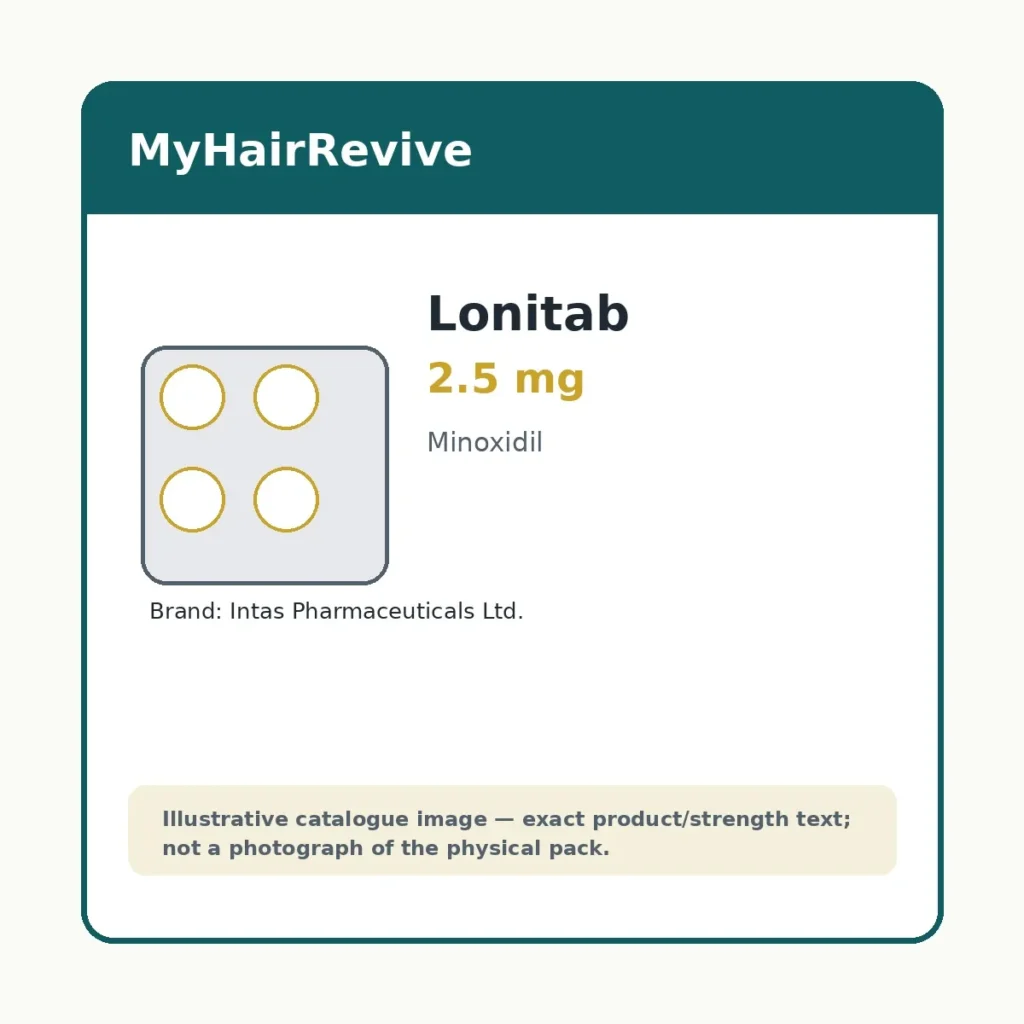
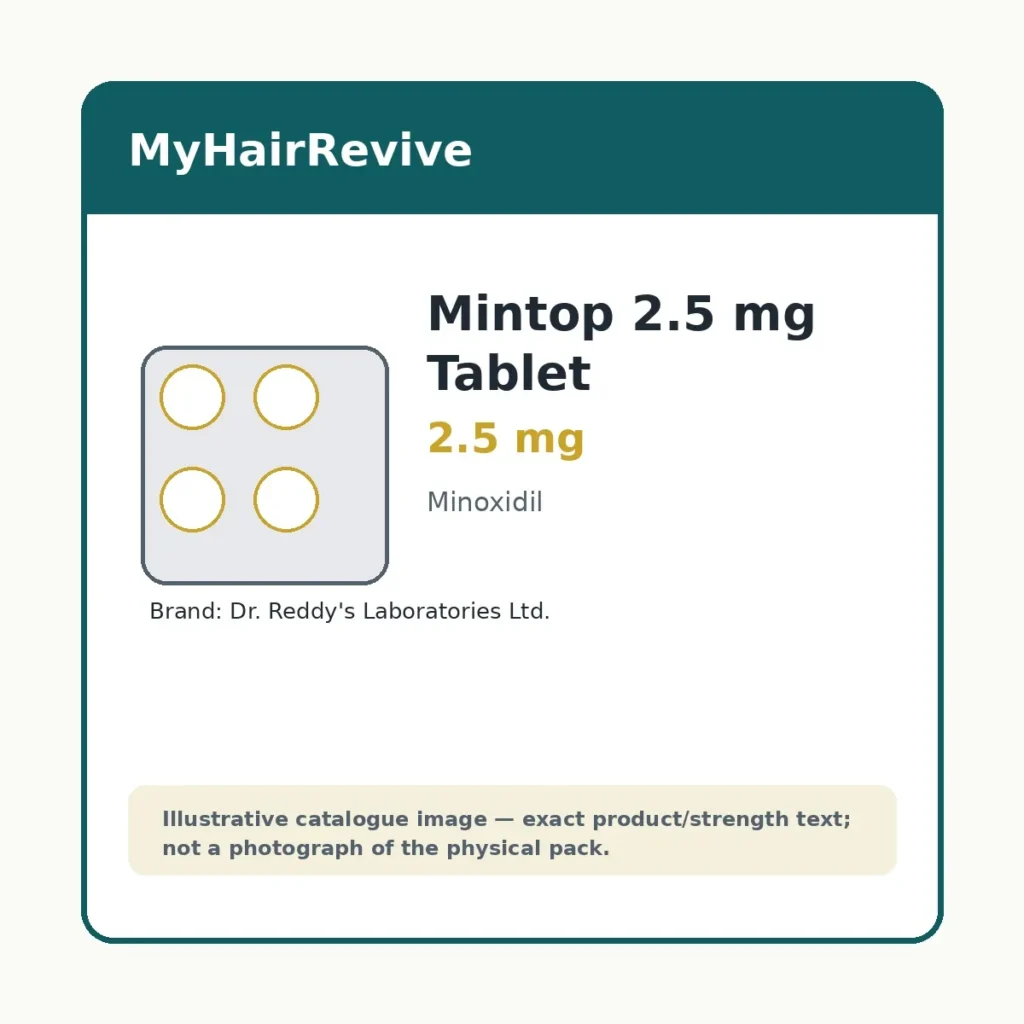
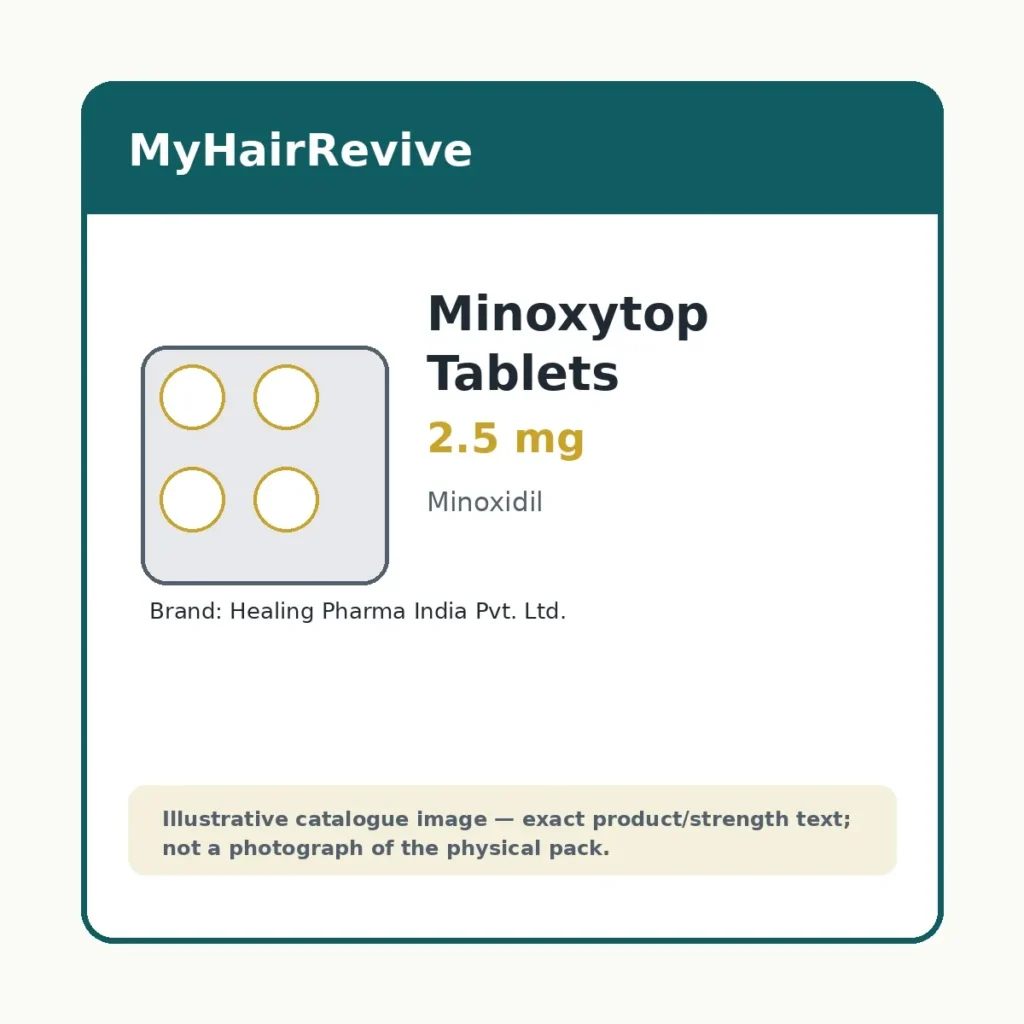
Formulations Mentioned in Clinical Discussions

Products referenced for educational context in accordance with active ingredients discussed. Not an automated recommendation or individual diagnosis. 

A Note on Medical Advice

MyHairRevive provides general product and educational information. It does not replace advice, diagnosis or treatment from a qualified healthcare professional. If you have unexplained, sudden or severe hair loss, a scalp condition, other health concerns, or questions about prescription medicines, speak with an appropriate healthcare professional. Read More